
Creating brand videos that truly connect with your audience and drive sales isn’t just about having the latest camera equipment or flashy graphics. It’s about understanding what makes viewers stop scrolling, pay attention, and ultimately take action. In today’s saturated digital landscape, learning how to create compelling brand videos that convert has become essential for businesses looking to stand out and grow their customer base.
The difference between a video that gets watched and one that gets results lies in strategic storytelling, authentic connection, and understanding your audience’s deepest needs. Whether you’re a startup looking to establish your brand presence or an established business wanting to boost conversions, this comprehensive guide will walk you through proven brand video storytelling techniques that transform casual viewers into loyal customers.
Understanding What Makes a Brand Video Compelling
A compelling brand video goes far beyond showcasing your products or services—it creates an emotional bridge between your brand and your audience. At its core, compelling content addresses a genuine problem your audience faces whilst demonstrating how your brand provides the solution in a way that feels natural and authentic.
The most effective brand videos strike a delicate balance between polish and authenticity. Whilst professional production quality matters, audiences today crave genuine connections over overly produced content. They want to see the real people behind your brand, understand your values, and feel confident that you truly understand their challenges.
An audience-first approach forms the foundation of compelling brand videos. This means starting every video project by asking: “What does my audience need to hear right now?” rather than “What do we want to tell them?” When you prioritise your viewers’ interests, concerns, and aspirations, your content naturally becomes more engaging and conversion-focused.
Emotional connection serves as the secret ingredient that transforms ordinary brand videos into compelling ones. People make purchasing decisions based on emotions and then justify them with logic. Your brand video should tap into specific emotions—whether that’s excitement about possibilities, relief from finding a solution, or confidence in making the right choice.
The Psychology Behind Brand Videos That Drive Sales
Understanding consumer psychology is crucial for creating video marketing conversion strategies that actually work. When viewers watch your brand video, their brains are processing multiple layers of information simultaneously—visual cues, emotional triggers, social signals, and logical arguments all compete for attention.
Trust-building through visual storytelling happens within the first few seconds of your video. Viewers make snap judgements about your brand’s credibility based on production quality, the authenticity of your messaging, and whether your content feels relevant to their needs. Professional Perth Video Production services understand these psychological triggers and can help ensure your brand makes the right first impression.
Emotional triggers for purchasing decisions vary depending on your audience and industry, but several universal principles apply. Fear of missing out (FOMO) motivates action, whilst social proof reduces perceived risk. Stories of transformation create aspiration, and demonstrations of expertise build confidence. The most effective brand videos weave multiple emotional triggers throughout their narrative.
Social proof integration works particularly well in video format because viewers can see and hear real customers sharing their experiences. Testimonials, case studies, and user-generated content all provide powerful social validation that encourages new customers to take action. When potential customers see people like themselves achieving positive results with your brand, conversion rates naturally increase.
The psychology of visual storytelling also involves understanding how people process information. Most viewers scan rather than deeply focus, so your key messages need to be immediately clear and reinforced through multiple channels—visual, auditory, and textual. This redundancy ensures your core message gets through even when viewers are partially distracted.
Essential Brand Video Storytelling Techniques That Convert
Effective brand video storytelling techniques follow proven narrative structures that guide viewers from initial interest to taking action. The hero’s journey framework, adapted for brand videos, positions your customer as the hero facing a challenge, with your brand serving as the wise guide who provides the tools and knowledge needed for success.
The Hero’s Journey Framework for Brands
In this narrative structure, your customer starts in their ordinary world, encounters a problem or challenge, meets your brand (the mentor), receives guidance and tools, faces obstacles, and ultimately achieves transformation. This framework works because it mirrors the actual customer journey whilst creating emotional investment in the outcome.
Problem-Solution Narrative Structure
The problem-solution approach begins by clearly articulating a specific challenge your audience faces, then demonstrates how your brand provides the ideal solution. This technique works particularly well for B2B brands and service-based businesses where the value proposition might not be immediately obvious.
Customer Success Story Formats
Real customer stories provide powerful social proof whilst demonstrating tangible results. These narratives work best when they focus on the customer’s journey rather than your brand’s features. Start with the customer’s initial situation, show the transformation process, and highlight the specific outcomes achieved.
Behind-the-Scenes Authenticity
Behind-the-scenes content humanises your brand and builds trust through transparency. Showing your team at work, your production process, or the passion behind your mission helps viewers connect with the people behind your brand. This authenticity often proves more compelling than polished promotional content.
Brand Personality Development
Your brand’s personality should shine through every video you create. Whether you’re professional and authoritative, friendly and approachable, or bold and disruptive, consistency in tone and style helps viewers develop familiarity and trust. This personality should align with your audience’s preferences and your brand’s core values.
The most successful brand videos combine multiple storytelling techniques within a single narrative. You might start with a customer problem, introduce your brand’s unique approach, show behind-the-scenes expertise, and conclude with transformation stories. This layered approach keeps viewers engaged whilst building a comprehensive case for your brand.
Pre-Production Planning for High-Converting Brand Videos
Successful brand videos begin long before the cameras start rolling. Pre-production planning determines whether your video will resonate with your target audience and drive the conversions you’re seeking. This phase requires careful research, strategic thinking, and detailed preparation.
Target Audience Research and Persona Development
Understanding your audience goes beyond basic demographics. You need to know their pain points, aspirations, preferred communication styles, and the platforms where they consume video content. Create detailed buyer personas that include not just who they are, but how they think, what motivates them, and what objections they might have to your brand.
Clear Objective Setting
Every brand video should have a specific, measurable objective. Are you looking to increase brand awareness, generate leads, drive direct sales, or educate your market? Your objective influences every creative decision, from the narrative structure to the call-to-action. Without clear objectives, even beautifully produced videos can fail to deliver business results.
Script Development Process
Professional script writing Perth services understand that effective scripts balance entertainment with persuasion. Your script should hook viewers immediately, maintain engagement throughout, and guide them naturally toward your desired action. Each scene should serve a specific purpose in your overall conversion strategy.
Storyboard Creation
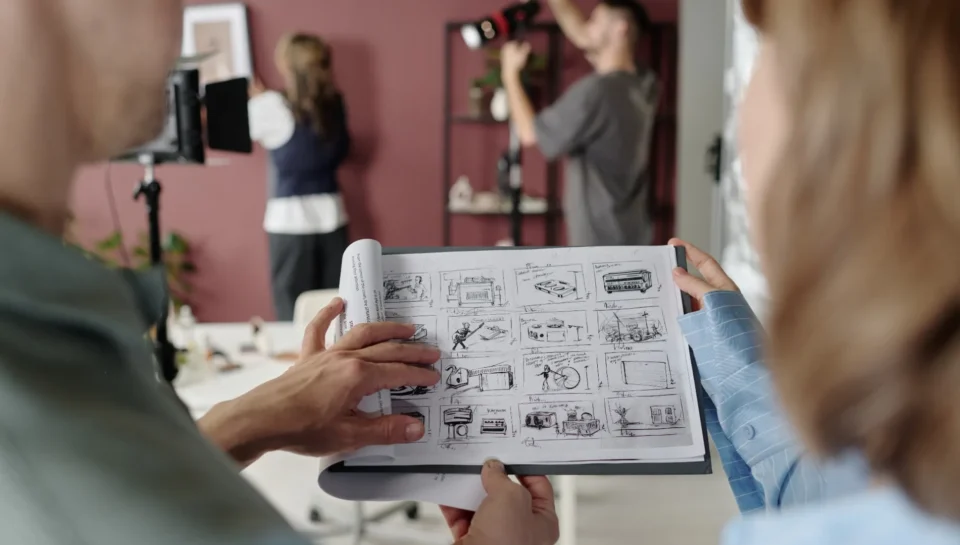
Storyboarding helps visualise your narrative flow and identify potential issues before production begins. This process ensures your story unfolds logically and that key messages receive appropriate emphasis. Storyboards also help production teams understand your vision and work more efficiently during filming.
Location and Talent Selection
Your choice of locations and on-screen talent significantly impacts your video’s credibility and appeal. Locations should reinforce your brand message—a tech startup might choose a modern office space, whilst a family business might opt for a more personal, homey environment. Talent selection should consider not just appearance, but authenticity and relatability to your target audience.
The pre-production phase also involves technical considerations like equipment requirements, shooting schedules, and post-production timelines. Working with experienced corporate video production professionals during this phase can help avoid costly mistakes and ensure your vision translates effectively to the final product.
Production Techniques for Professional Brand Videos
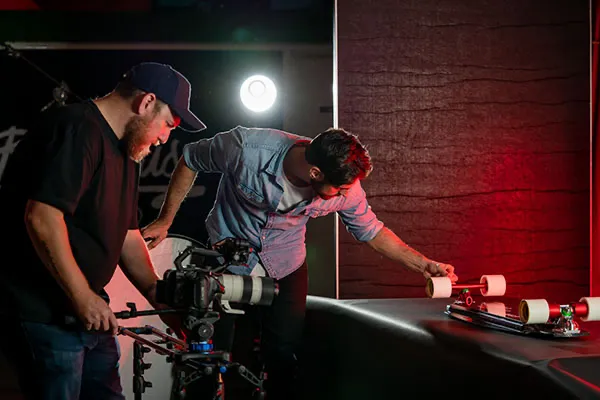
The production phase is where your carefully planned brand video comes to life. Professional production techniques can significantly impact how your audience perceives your brand and whether they trust your message enough to take action.
Lighting for brand consistency involves more than just making your subjects look good—it’s about creating a visual mood that aligns with your brand personality. Warm, soft lighting might suit a family-oriented brand, whilst crisp, bright lighting could better serve a technology company. Consistent lighting across all your brand videos helps create visual recognition and reinforces your brand identity.
Camera angles that build trust focus on creating connection between your on-screen talent and viewers. Eye-level shots create equality and approachability, whilst slightly lower angles can convey authority and expertise. The key is matching your camera choices to your brand personality and the specific message of each video segment.
Audio quality importance cannot be overstated—poor audio will undermine even the most visually stunning brand video. Viewers will tolerate lower video quality much more readily than poor audio. Professional microphones, proper recording techniques, and controlled environments ensure your message comes through clearly and professionally.
On-screen talent direction requires balancing authenticity with professionalism. Your talent should feel natural and conversational whilst staying on message and maintaining energy throughout the shoot. This often requires multiple takes and careful coaching to achieve the right balance of polish and genuineness.
Brand element integration involves thoughtfully incorporating your visual identity throughout the video without overwhelming the content. This includes strategic placement of logos, consistent use of brand colours, and ensuring any graphics or text overlays match your established brand guidelines. The goal is reinforcement without distraction.
Professional production also involves technical considerations like proper exposure, stable camera work, and capturing sufficient coverage for effective editing. Working with experienced production teams ensures these technical elements support rather than detract from your brand message.
Post-Production Strategies That Maximise Conversion Potential
The post-production phase is where your brand video truly comes together, and strategic editing decisions can significantly impact conversion rates. Professional video editing services Perth understand that editing for conversion requires different approaches than editing for entertainment.
Editing for Emotional Impact
The pacing and rhythm of your edit directly influence emotional engagement. Quick cuts can create excitement and urgency, whilst longer takes allow for deeper emotional connection. The key is matching your editing style to your brand personality and the specific emotions you want to evoke in your audience.
Colour Grading for Brand Consistency
Colour grading goes beyond making your footage look good—it’s about creating a consistent visual mood that reinforces your brand identity. Warm tones might suit a welcoming, family-oriented brand, whilst cooler tones could better serve a professional, technology-focused company. Consistent colour treatment across all your videos helps build visual brand recognition.
Music and Sound Design
The right music and sound design can dramatically enhance your video’s emotional impact. Music should complement rather than compete with your message, and sound effects should feel natural and purposeful. The audio landscape you create should support your brand personality and guide viewers toward your desired emotional response.
Call-to-Action Integration
Effective call-to-action integration feels natural within your video’s narrative flow. Rather than tacking on a sales pitch at the end, the best brand videos weave their call-to-action throughout the story, making the next step feel like a logical continuation of the viewer’s journey.
Optimising Video Length
Video length optimisation depends on your platform, audience, and objectives. Social media videos often perform best at 60-90 seconds, whilst educational or demonstration videos might require several minutes to be effective. The key is maintaining engagement throughout and ensuring every second serves a purpose in your conversion strategy.
Post-production also involves technical optimisation for different platforms and devices. This includes creating multiple versions with appropriate aspect ratios, file sizes, and quality settings to ensure optimal viewing experiences across all channels where your video will appear.
Video Marketing Conversion Strategies for Different Platforms
Different platforms require tailored approaches to maximise conversion potential. Understanding platform-specific best practices helps ensure your compelling corporate video content reaches and resonates with your target audience wherever they consume video content.
Social Media Platform Optimisation
Each social media platform has unique characteristics that influence how your brand videos should be structured and presented. Instagram favours visually striking content with strong opening hooks, whilst LinkedIn audiences prefer professional, value-driven content that demonstrates expertise.
Facebook videos benefit from captions since many users watch with sound off, and the platform’s algorithm favours content that generates engagement through comments and shares. TikTok requires a completely different approach, with authentic, trend-aware content that feels native to the platform’s culture.
Website Integration Best Practices
Website video integration should focus on supporting your conversion funnel. Homepage videos might focus on brand introduction and value proposition, whilst product pages benefit from demonstration videos that address common questions or objections. The key is placing the right video content at the right point in your customer’s journey.
Email Marketing Video Strategies
Email marketing with video can significantly boost engagement rates, but requires careful implementation. Video thumbnails with play buttons often perform better than embedded videos, and the subject line should clearly indicate video content. The video itself should provide immediate value whilst encouraging recipients to visit your website for more information.
YouTube SEO for Brand Videos
YouTube functions as both a social platform and a search engine, requiring optimisation for both discovery and engagement. This includes keyword-optimised titles and descriptions, custom thumbnails that stand out in search results, and content that encourages viewers to watch until the end.
LinkedIn Video Marketing
LinkedIn video marketing works best when it provides professional value to your network. Educational content, industry insights, and thought leadership pieces tend to perform well, whilst overly promotional content often gets ignored. The platform favours native video uploads over links to external video content.
Cross-platform consistency remains important even when adapting content for different channels. Your brand personality, core messages, and visual identity should remain recognisable across all platforms whilst the presentation adapts to each platform’s unique characteristics and audience expectations.
Measuring Success: Analytics and KPIs for Brand Video Performance
Measuring the success of your brand videos requires tracking metrics that align with your specific objectives. Different goals require different key performance indicators, and understanding these metrics helps optimise future video content for better conversion rates.
View count and reach metrics provide basic awareness indicators but don’t necessarily correlate with conversion success. More meaningful metrics include engagement rate, watch time, and completion rate, which indicate how well your content resonates with viewers. High engagement with low conversion might suggest your content entertains but doesn’t persuade effectively.
Conversion tracking setup requires implementing proper analytics tools and defining clear conversion events. This might include email signups, product purchases, contact form submissions, or other actions that indicate business value. Proper tracking helps identify which videos drive the most valuable actions.
Engagement metrics analysis goes beyond likes and shares to examine comments, click-through rates, and social sharing patterns. Comments can provide valuable insights into audience perceptions and concerns, whilst sharing patterns indicate which content resonates strongly enough for viewers to recommend to others.
ROI measurement for brand videos can be challenging but is essential for justifying video marketing investments. This requires tracking not just immediate conversions but also longer-term brand awareness and customer lifetime value improvements. Some benefits of brand videos, like improved brand perception, may take time to translate into measurable business results.
A/B testing strategies help optimise video performance by testing different versions of thumbnails, titles, calls-to-action, or even different narrative approaches. This data-driven approach helps identify what resonates most strongly with your specific audience and can significantly improve conversion rates over time.
Common Mistakes to Avoid When Creating Brand Videos
Understanding common pitfalls helps ensure your brand video investment delivers the results you’re seeking. Many businesses make predictable mistakes that undermine their video’s conversion potential.
Overly Promotional Content
The biggest mistake in brand video creation is making content that feels like a traditional advertisement. Modern audiences are sophisticated and can quickly identify overly promotional content, which they often skip or ignore. Instead, focus on providing value, solving problems, or entertaining your audience whilst subtly demonstrating your brand’s benefits.
Poor Audio Quality
Poor audio quality immediately undermines your brand’s credibility and professionalism. Viewers will tolerate lower video quality much more readily than poor audio. Invest in proper microphones, recording techniques, and audio editing to ensure your message comes through clearly and professionally.
Inconsistent Branding
Inconsistent branding across your video content confuses audiences and weakens brand recognition. This includes visual elements like colours and fonts, but also tone of voice, messaging, and overall brand personality. Consistency helps build familiarity and trust over time.
Weak Call-to-Action
Many brand videos fail to convert because they don’t clearly tell viewers what to do next. Your call-to-action should be specific, compelling, and easy to follow. Vague instructions like “contact us” are less effective than specific actions like “download our free guide” or “schedule your consultation.”
Ignoring Mobile Optimisation
With the majority of video consumption happening on mobile devices, failing to optimise for mobile viewing significantly limits your video’s effectiveness. This includes considering aspect ratios, text size, and ensuring your content works well on smaller screens.
Additional common mistakes include trying to cover too many topics in a single video, using industry jargon that confuses rather than clarifies, and failing to consider where and how your audience will discover and watch your content. Working with experienced animation studio Perth or video production professionals can help avoid these pitfalls.
Future Trends in Brand Video Marketing
The brand video landscape continues to evolve rapidly, driven by technological advances and changing consumer preferences. Understanding emerging trends helps ensure your video marketing strategy remains effective and competitive.
Interactive video content is becoming increasingly popular as technology makes it easier to create and distribute. These videos allow viewers to make choices that influence the narrative, creating more engaging experiences and providing valuable data about viewer preferences. Interactive elements can include clickable hotspots, branching storylines, or embedded forms that capture leads without leaving the video experience.
Personalisation trends are moving beyond simply including the viewer’s name in video content. Advanced personalisation might involve creating different video versions for different audience segments, or using data to customise the examples and case studies shown to each viewer. This level of personalisation can significantly improve relevance and conversion rates.
AI in video production is streamlining many aspects of video creation, from automated editing and colour correction to AI-generated scripts and voiceovers. Whilst AI won’t replace human creativity, it’s making professional-quality video production more accessible and cost-effective for businesses of all sizes.
Virtual reality applications in brand marketing are still emerging but show significant potential for immersive brand experiences. VR allows brands to create experiences that would be impossible in traditional video, such as virtual product demonstrations or immersive brand storytelling.
Sustainability messaging is becoming increasingly important as consumers become more environmentally conscious. Brand videos that authentically communicate environmental responsibility and sustainable practices can differentiate brands and appeal to values-driven consumers.
The future of brand video marketing will likely involve more personalised, interactive, and immersive experiences that blur the lines between entertainment, education, and commerce. Brands that stay ahead of these trends whilst maintaining focus on authentic storytelling and genuine value creation will be best positioned for success.
Creating compelling brand videos that convert viewers into customers requires a strategic blend of storytelling expertise, technical proficiency, and deep understanding of your audience’s needs and motivations. From the initial concept through final distribution, every decision should support your ultimate goal of building meaningful connections that drive business results.
The most successful brand videos don’t just showcase products or services—they create emotional bridges between brands and audiences, demonstrate genuine value, and guide viewers naturally toward taking action. Whether you’re just beginning your video marketing journey or looking to improve existing efforts, focusing on authentic storytelling, professional production quality, and strategic distribution will help ensure your investment delivers measurable results.
Ready to create brand videos that truly connect with your audience and drive conversions? The team at Birdhouse Media brings over 25 years of combined experience in crafting compelling video content that delivers results. From initial concept development through final production, we’re here to help bring your brand’s story to life in ways that resonate with your audience and support your business objectives.